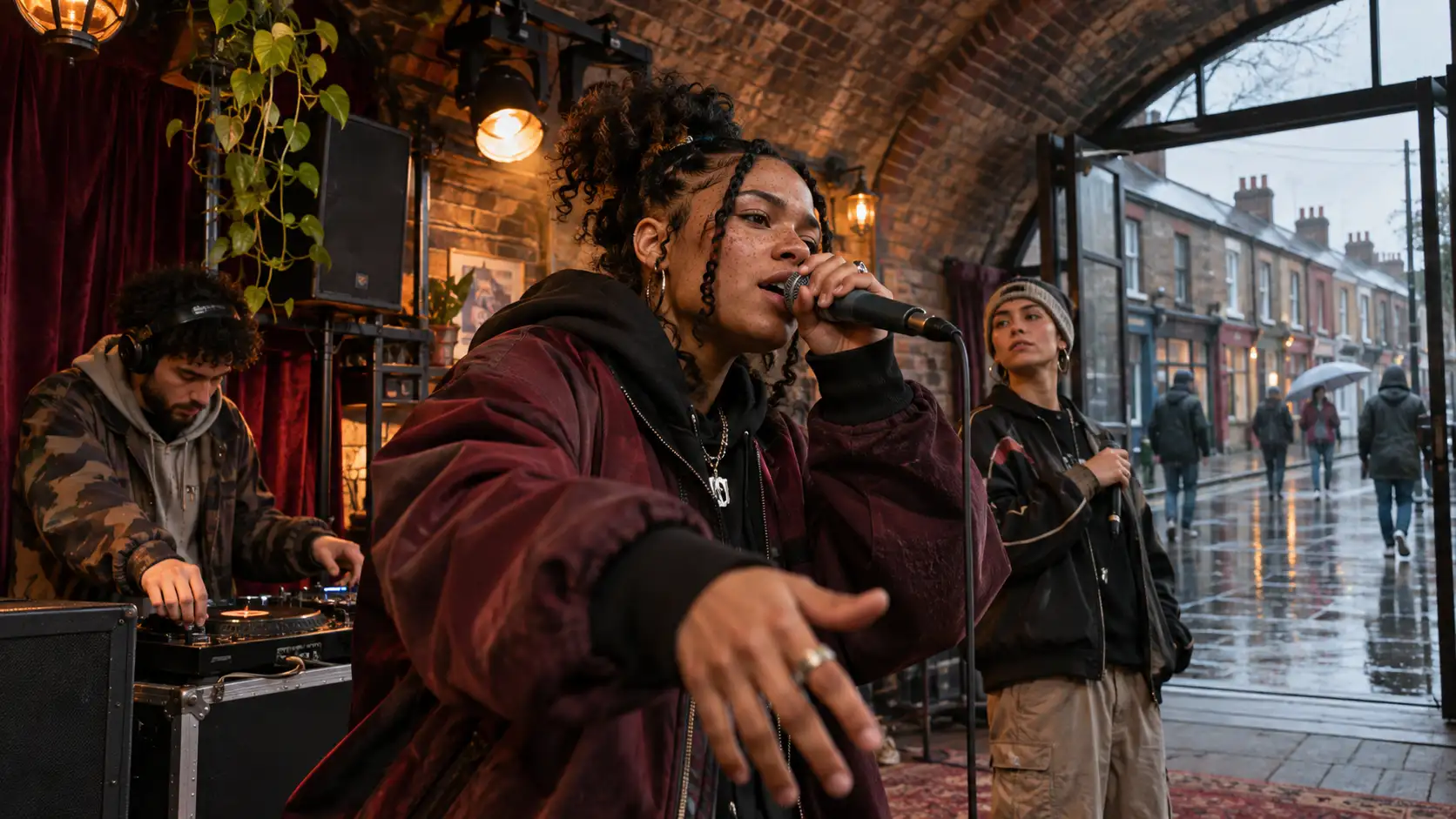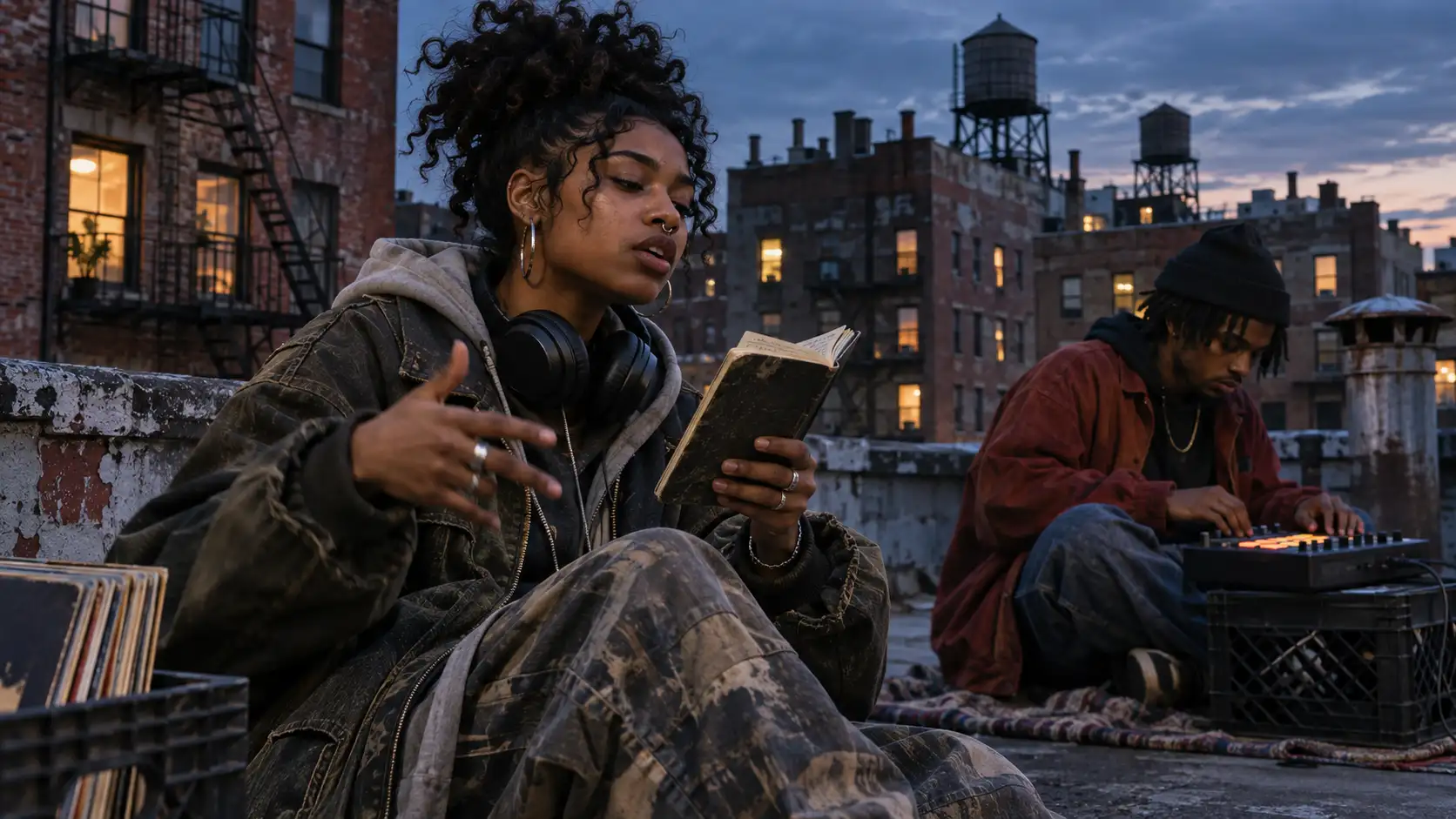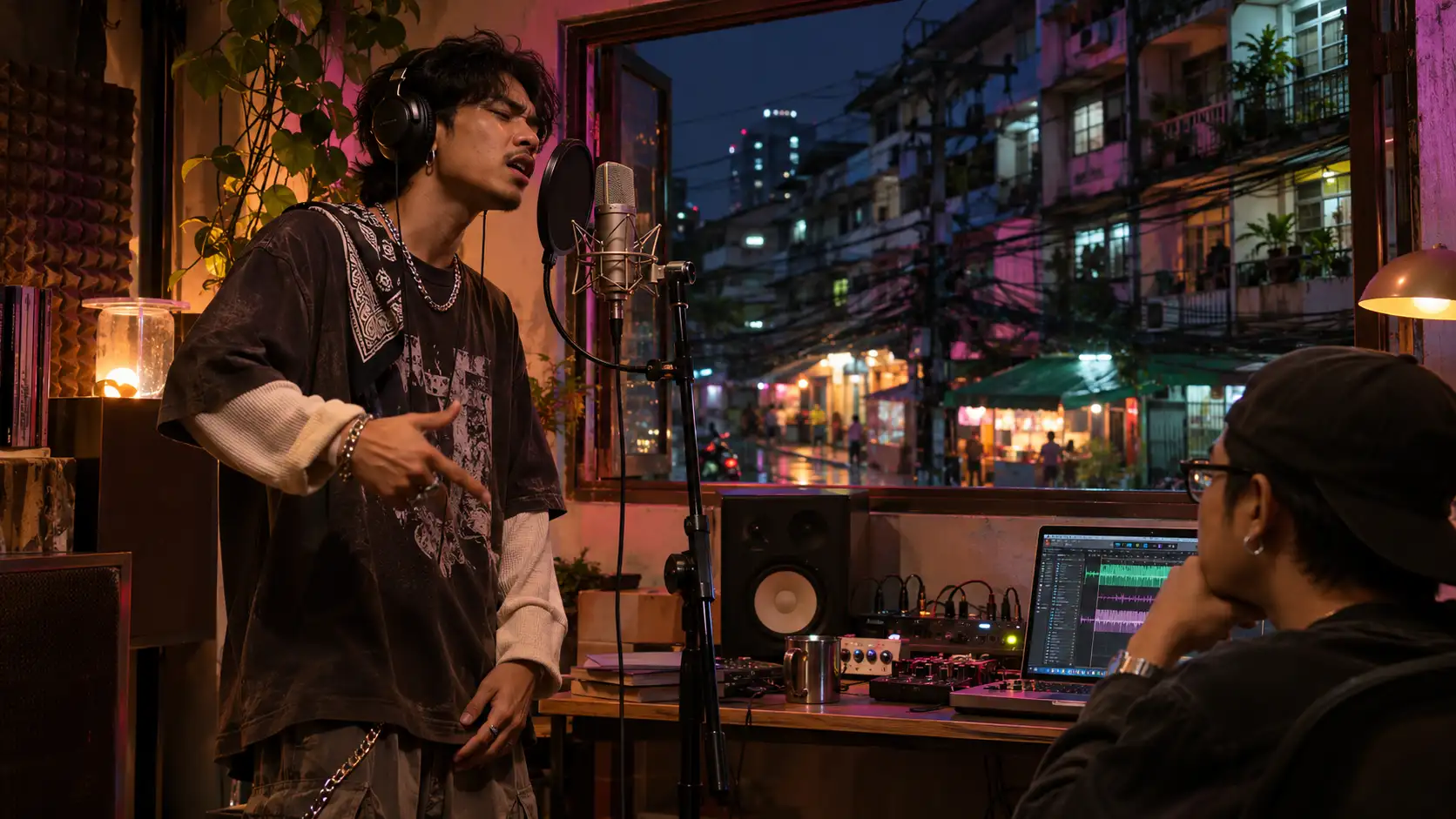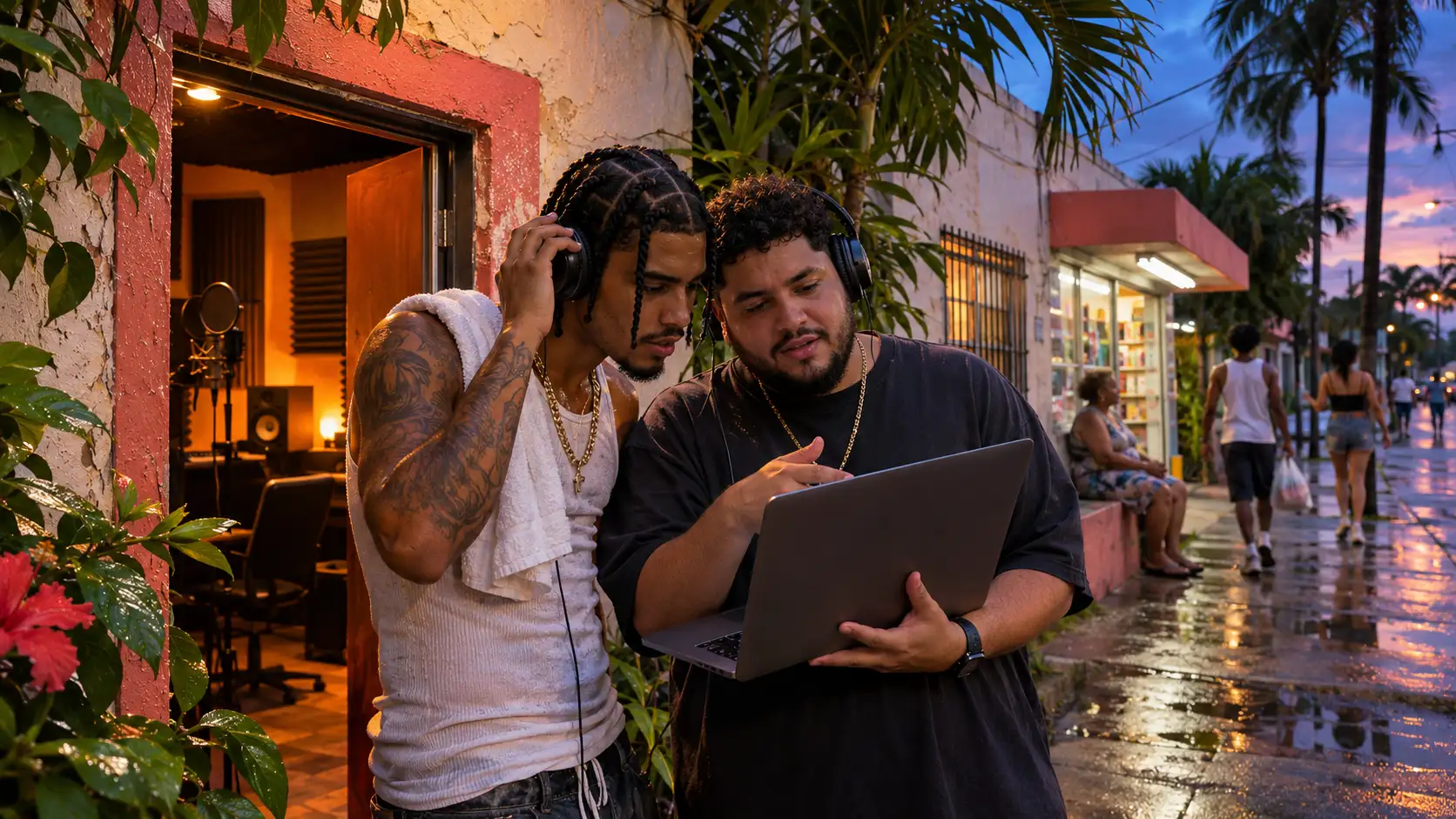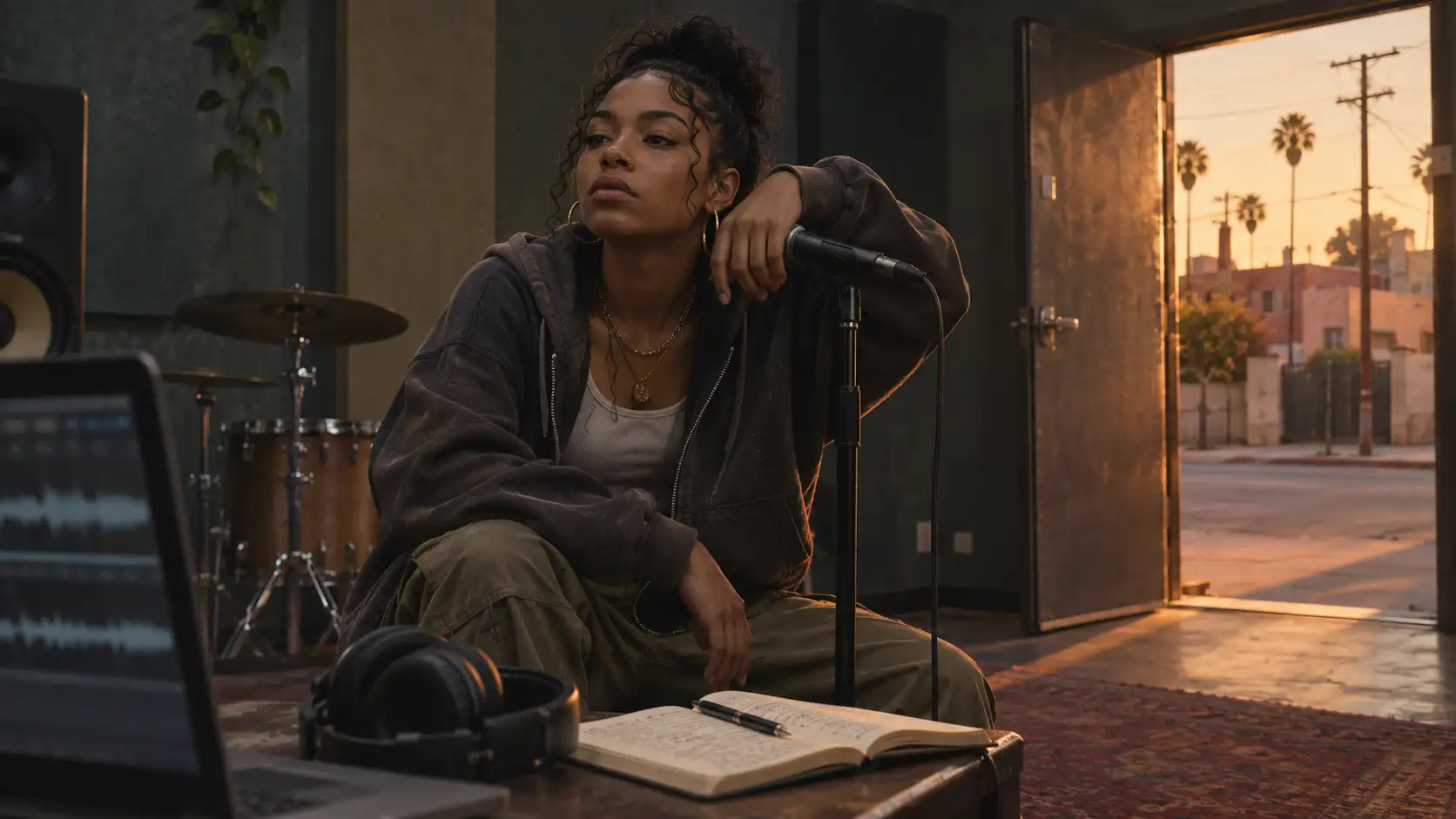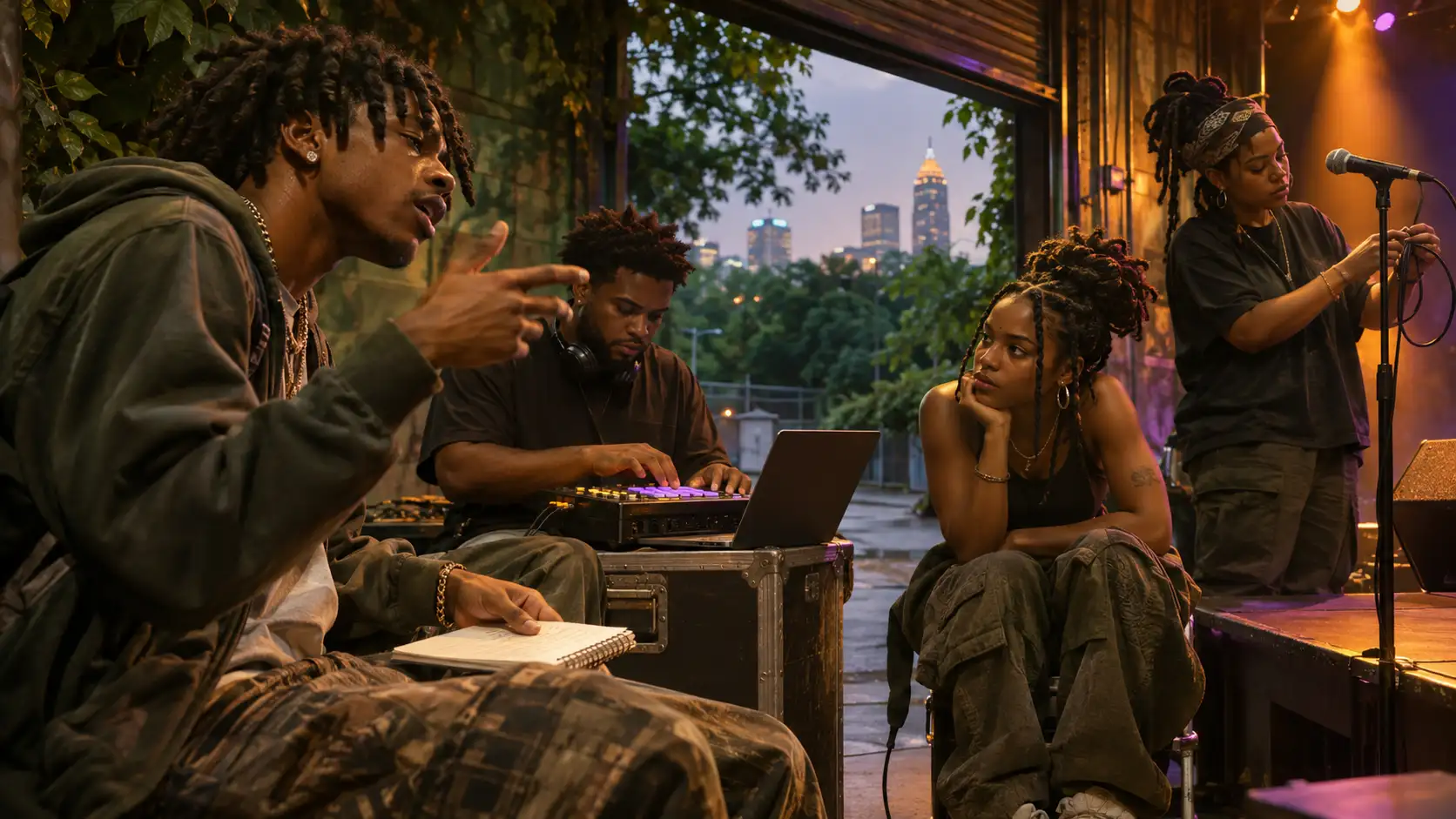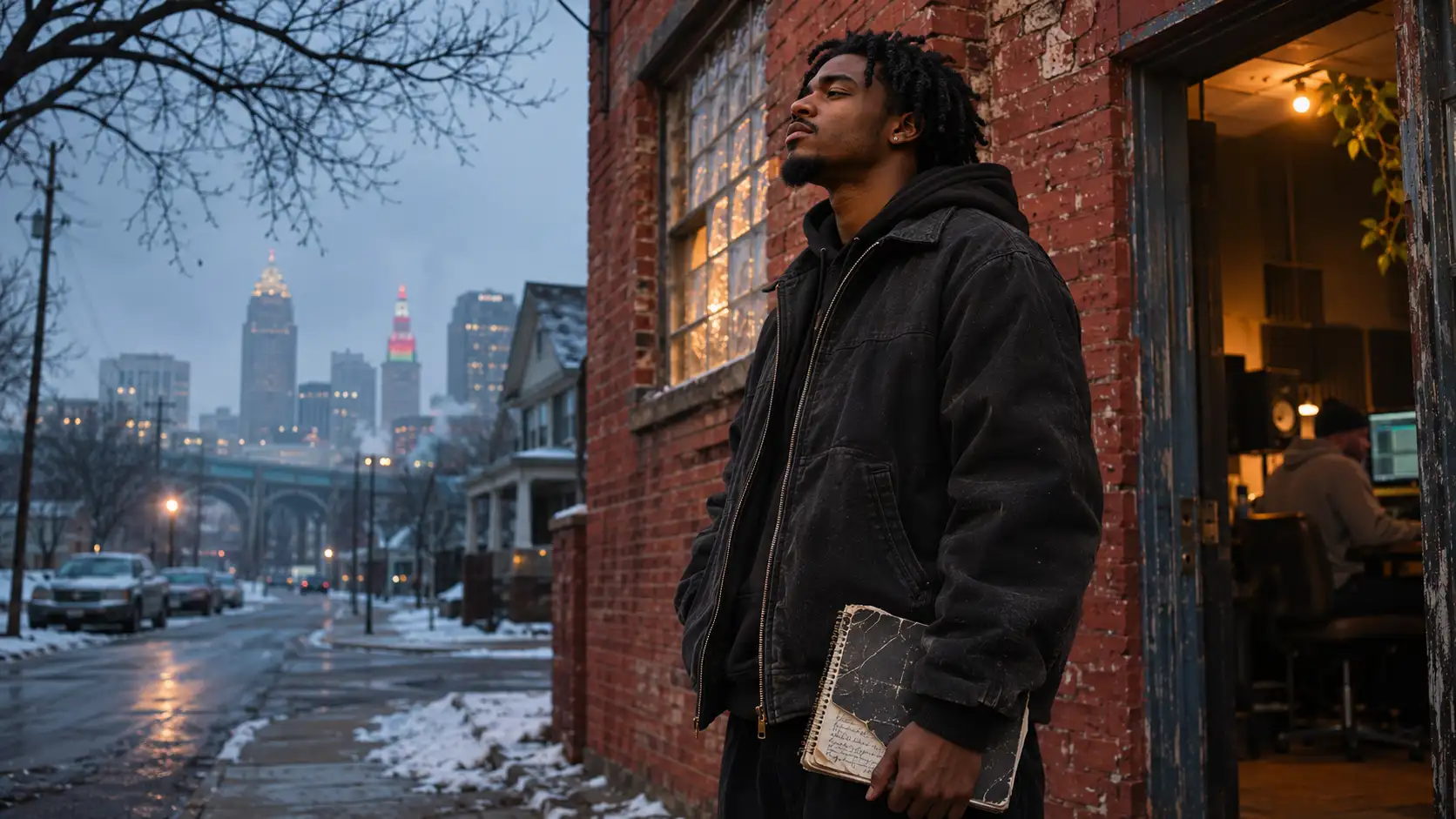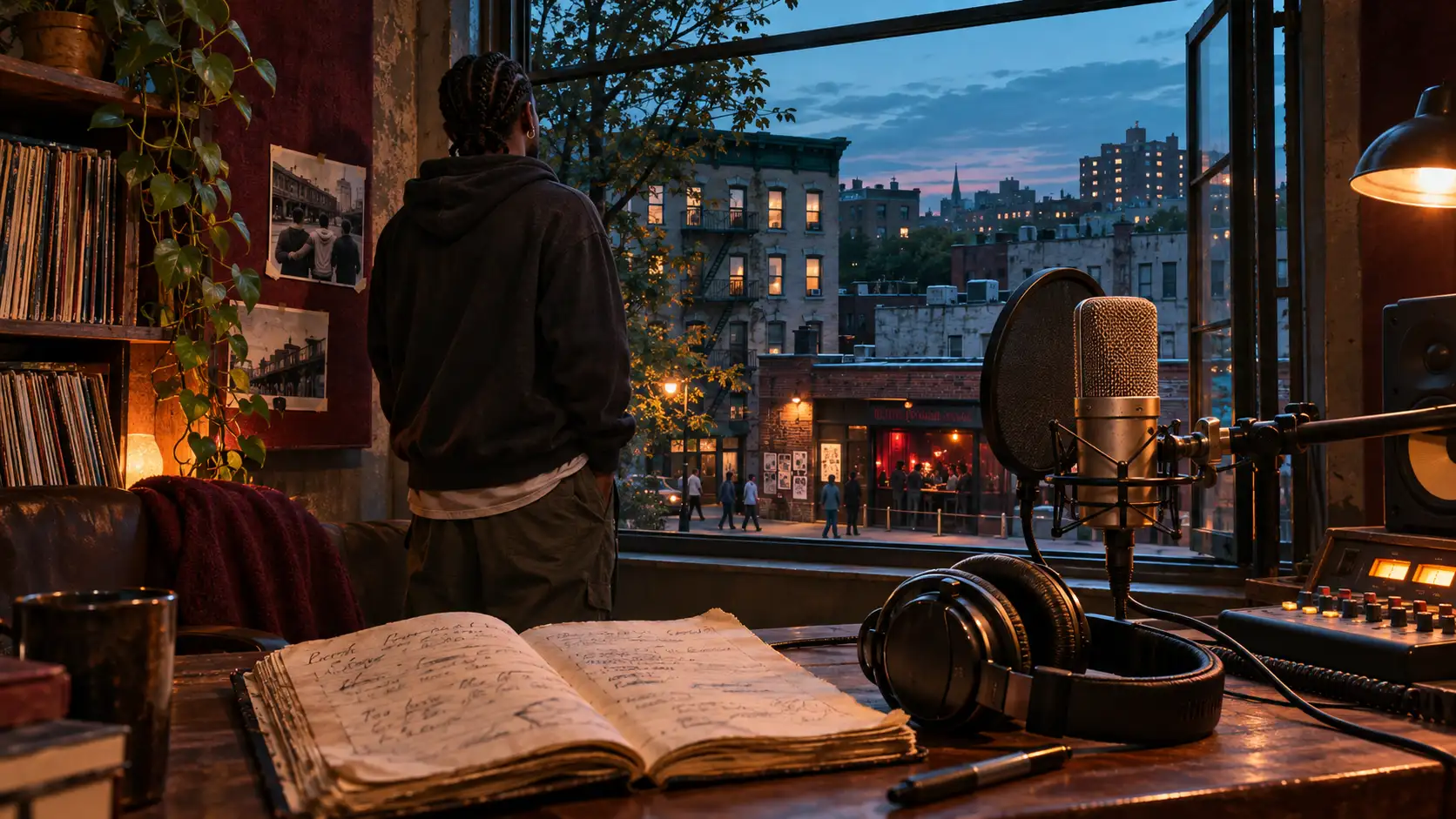
The moment somebody discovers your music is exciting.
The harder question comes afterward: can they find you again?
Can they hear the next release, learn where you are performing, understand what you are building, and support it in a way that reaches you?
Across the opening Rap Atlas features, that question connects very different places. Each has its own history and musical activity. Every working artist still faces practical decisions about how to continue.
A sound needs somewhere to grow
Talent develops through work and response.
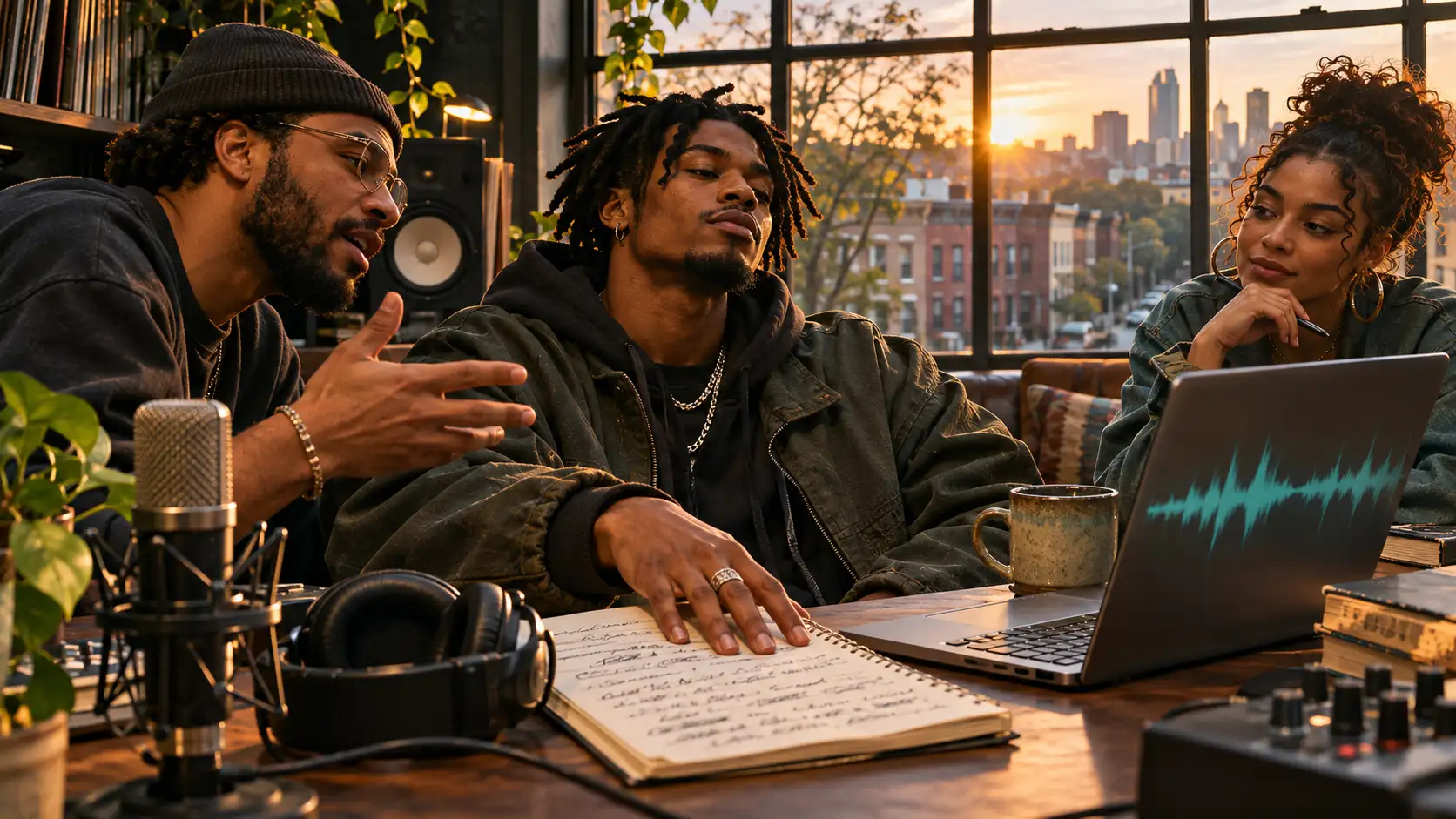
Artists write, record, perform, listen back, and decide what to change. Other people enter that process: collaborators, engineers, audiences, and the people creating opportunities to be heard.
The future of rap therefore includes ordinary infrastructure. There must be places to practice, dependable ways to work together, and enough financial room to continue.
Celebrating an artist’s persistence should include asking what would make that persistence sustainable.
Attention needs a relationship
An audience assembled around one release may disperse before the next.
Artists can improve the path between those moments by making their work easier to find and their next steps easier to follow. A clear home for releases, performances, contact details, and an artist’s own story can help.
That is the role a RapStudio.One residency is intended to serve.
Its value should be judged through actual use: whether artists maintain it, share it, and find that it helps people stay connected. A memorable address can start a conversation. The experience behind it must justify returning.
Ownership needs clear language
Creative control is easy to promise and harder to define.
Artists deserve understandable answers about their recordings, accounts, subscriptions, collaborations, and ability to move their work elsewhere. A branded residency address also needs a clear explanation of the access being provided and the terms supporting it.
Confidence grows when people know what they control and what depends on an ongoing service.
The same clarity belongs in editorial work. Paying for a service should never become a requirement for being taken seriously as an artist.
Technology needs an artist’s decision
AI raises creative questions that deserve more than automatic enthusiasm or rejection.
An artist might welcome help organizing release information while refusing synthetic vocals. Another might experiment openly with generated material. A third might keep AI outside the creative process entirely.
Those boundaries should be theirs to set.
Useful questions include whose material is involved, whether permission exists, what listeners should be told, and who remains responsible for the result.
Efficiency alone cannot decide what an artist wants their work to mean.
The next chapter remains open
We should measure progress through more than reach.
Can artists keep making work they believe in? Can listeners support them consistently? Can collaborators work under clear terms? Can local scenes develop new voices without requiring everyone to follow the same path?
RapStudio.One’s opportunity is to contribute useful space, careful coverage, and meaningful connections—and let people decide how they participate.
Explore the culture. Share the work. If you want a place to build your own presence, begin at RapStudio.One Residency.
The next era will take shape through what artists create and what the people around them choose to support.